

Your Calcium Score Tells Part of the Story. ACV Can Tell You More.
September 15, 2026
Woman kissing a smiling baby on the cheek; they are both in front of a white background.

Share this article

When it comes to heart health, knowing your coronary calcium score can be incredibly valuable. But plaque within your coronary arteries is only one part of the cardiovascular picture.

What about the heart itself?

At Life Guard Imaging Phoenix, AutoChamber Volumetry (ACV) can be added to a CT Coronary Artery Scan to provide additional information about the chambers of your heart and your cardiovascular risk.

First, What Does a Calcium Score Show?

A CT Coronary Artery Scan looks for calcified plaque within the arteries that supply blood to your heart.

Your coronary calcium score reflects the amount of calcified plaque detected and can help provide insight into coronary artery disease and cardiovascular risk.

But a calcium score is focused primarily on your coronary arteries.

Adding ACV allows us to gather another type of information from your heart imaging.

What Does AutoChamber Volumetry Add?

AutoChamber Volumetry analyzes measurements of the heart's chambers from CT imaging.

Why does that matter?

The size and volume of different chambers can provide additional information about cardiovascular health and may be associated with conditions or risks that a calcium score alone isn't designed to assess.

ACV analysis can provide information relevant to:

  • Heart failure
  • Stroke risk
  • Left ventricular hypertrophy
  • Atrial fibrillation
  • 10-year cardiovascular risk assessment

When paired with your coronary calcium score, you're looking at more than plaque alone.

Two Different Views of Your Heart Health

Think of your calcium score and ACV as answering two different sets of questions.

Your calcium score looks at your coronary arteries.
It helps identify and quantify calcified plaque.

ACV looks at your heart chambers.
It provides measurements that can add context about the heart's structure and potential cardiovascular risk.

Neither piece of information should be viewed in isolation or treated as a diagnosis. But together, they can give you and your healthcare provider additional information to consider when evaluating your overall cardiovascular health.

More Information Can Lead to Better Questions

One of the biggest benefits of preventive imaging is discovering information you may not have known to ask about.

You may feel healthy. You may exercise regularly. You may have no obvious cardiovascular symptoms.

That doesn't necessarily tell you what's happening internally.

By combining a coronary calcium score with AutoChamber Volumetry, you can gain a broader look at your cardiovascular health and have more informed conversations with your healthcare provider about what those findings mean for you.

Add More Insight to Your Heart Scan

A calcium score is an important tool for understanding coronary artery health. AutoChamber Volumetry adds another layer of information by evaluating the heart's chambers and associated cardiovascular risk.

At Life Guard Imaging Phoenix, ask about adding AutoChamber Volumetry (ACV) to your CT Coronary Artery Scan.

Because when it comes to your heart, having more information can help you make more informed decisions about your health.

Early Detection. Life Protection.

Recent Posts

Doctor reviewing a clipboard with a seated patient in a bright clinic office
July 15, 2026
Learn how an Epicardial Fat Report can provide additional insight into your heart health during your CT heart scan in Tampa, Florida.

Gloved hand applying a handheld device to the back of a person’s neck
July 15, 2026
Learn how a carotid artery ultrasound can help identify plaque buildup in the carotid arteries and support a proactive approach to vascular health.

March 6, 2026
March is Colorectal Cancer Awareness Month , and in Tampa, more people are searching for preventive screening options that don’t require sedation or downtime.

December 3, 2025
Life Guard Imaging provides expert preventative screening & medical imaging in Tampa, FL. Protect your health—contact us!

December 2, 2025
Life Guard Imaging provides virtual colonoscopies that are just as effective as traditional ones in Tampa, FL. Book your appointment today!
December 2, 2025
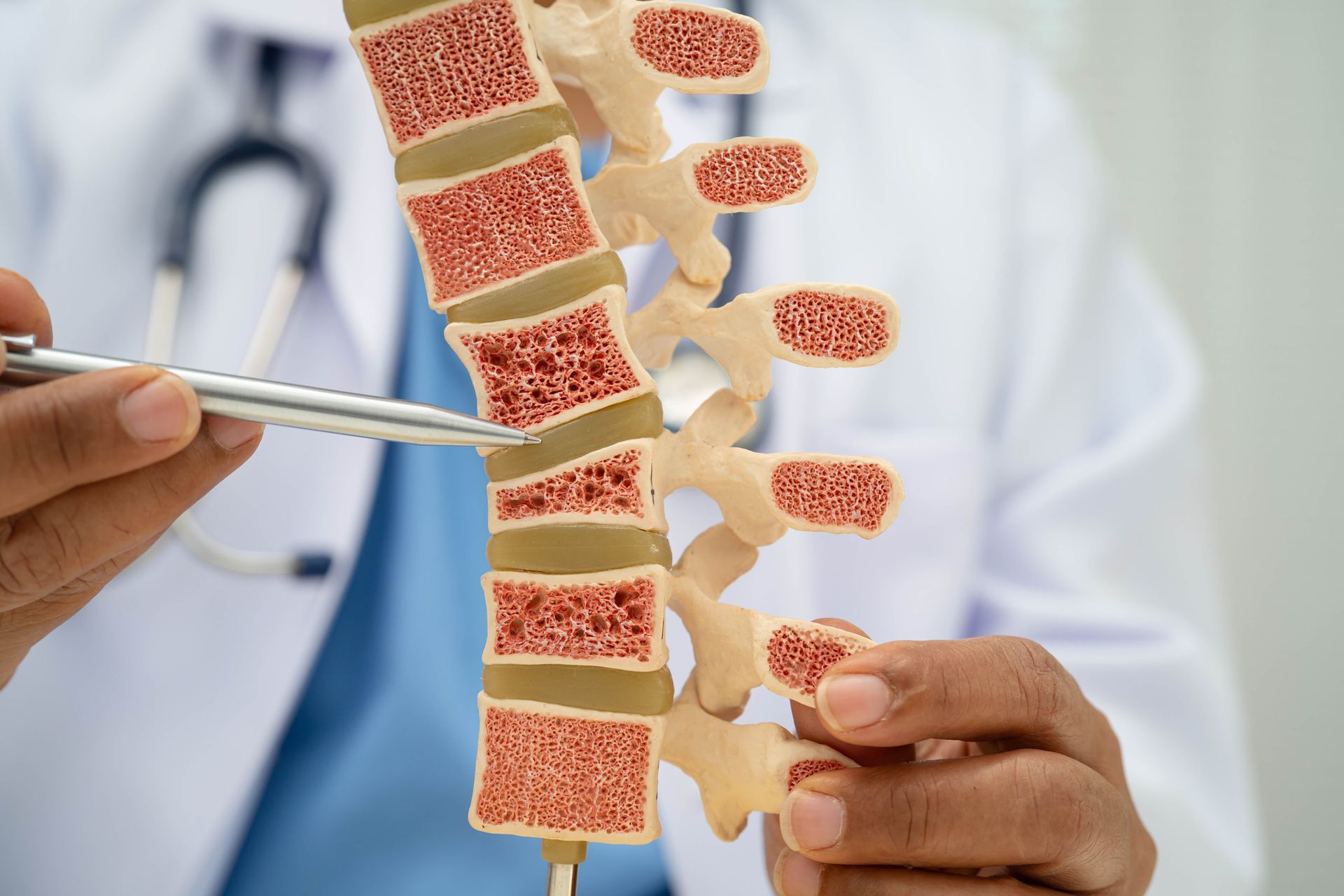
Life Guard Imaging offers osteoporosis and bone density scans in Tampa, FL. Ensure strong, healthy bones—schedule your scan today!

December 2, 2025
You go in with a cough. The doctor orders a chest X-ray. It comes back “clear.” You’re relieved—until the symptoms stick around. Sound familiar? X-rays have been a go-to diagnostic tool for decades. And they’re great—for some things. But when it comes to catching serious conditions early, a chest CT scan can reveal what an X-ray simply can’t. At Life Guard Imaging in Tampa, we offer low-dose CT chest scans designed specifically for preventative care—to give you answers before a problem becomes a diagnosis.

December 2, 2025
Get reliable osteoporosis and bone density scans at Life Guard Imaging in Tampa, FL. Protect your bones—book your scan today!

December 2, 2025
You can’t put a price on peace of mind. But you can tally the cost of a missed diagnosis. And it’s staggering. From mounting hospital bills and delayed treatments to irreversible health damage and missed moments with loved ones—the true cost isn’t just financial or emotional. It’s highly personal, and in many cases, it’s entirely preventable with a simple scan. At Life Guard Imaging in Phoenix, we believe early detection is a strategy. One that complements—not replaces—your primary care. One that gives you a clear picture of your health before symptoms force you into action.
December 2, 2025
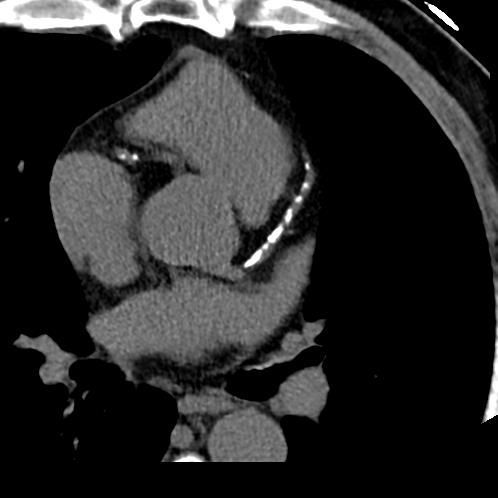
Just hearing the word “MRI” makes some people sweat. Maybe you’ve been there: sliding into a narrow, loud tunnel, toughing it out. Or maybe you couldn’t do it at all. If claustrophobia has ever kept you from getting the imaging you need—we have good news. CT scans are not as claustrophobic as MRIs. At Life Guard Imaging in Tampa, we use low-dose CT scans that are quick, open, and far less intimidating than traditional MRIs. And when it comes to preventative care, we know that comfort matters just as much as accuracy.