Protect Your Brain With Early Carotid Screening

Silent changes in your arteries can increase your stroke risk long before you feel anything unusual. At Life Guard Imaging in Tampa, FL, our carotid ultrasound provides a safe, painless way to evaluate the arteries that deliver blood to your brain. This simple test can reveal narrowing, plaque buildup, and reduced blood flow while the problem is still in its early stages. If you want a clear understanding of your stroke risk, call 813-524-1010 to schedule your carotid ultrasound.

Why Screening Your Carotid Arteries Matters
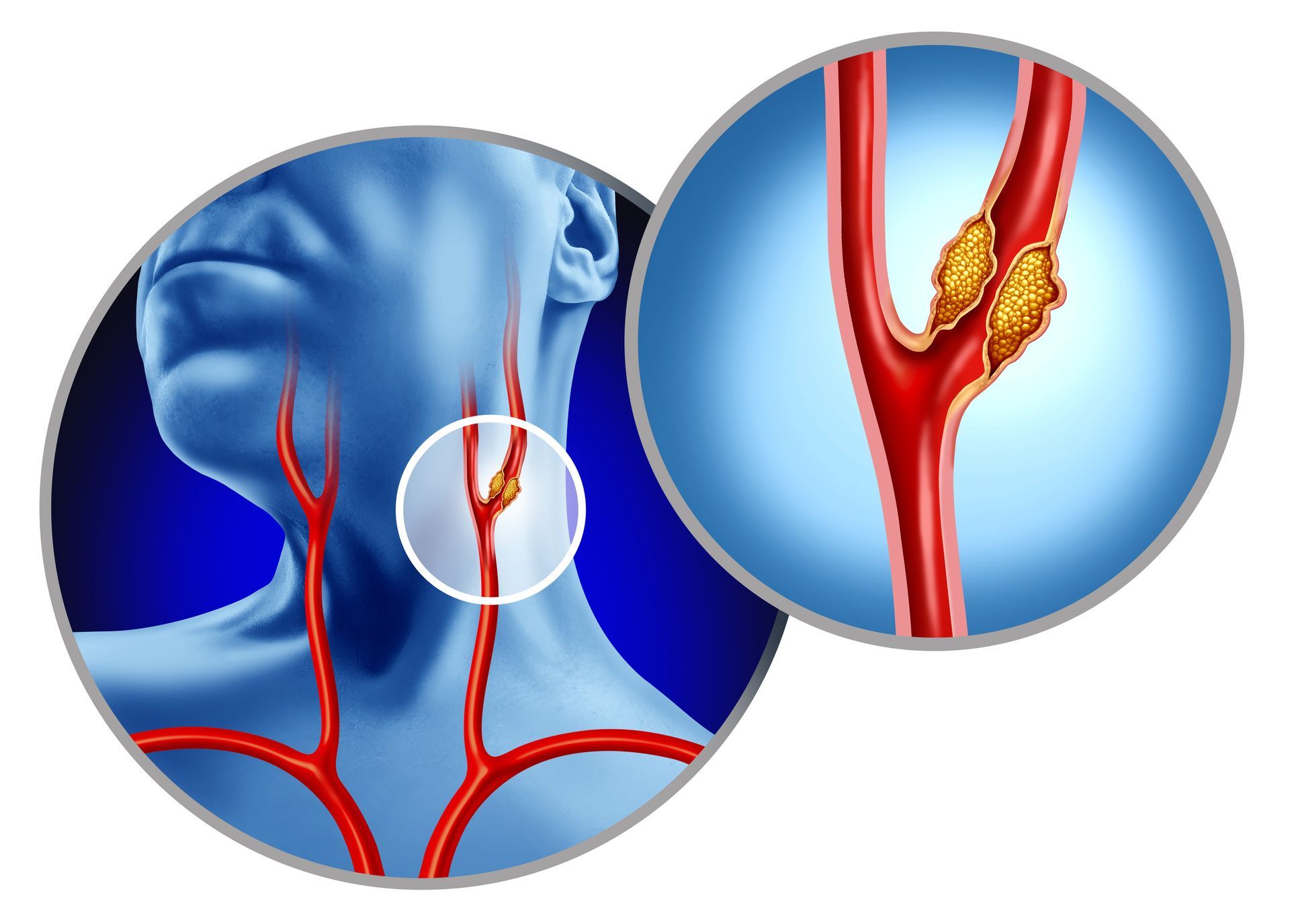
Many strokes start with small, hidden changes in the carotid arteries—the two major blood vessels responsible for carrying oxygen-rich blood to the brain. When plaque accumulates, the artery narrows, a condition known as stenosis. Stenosis limits blood flow and increases the likelihood of clots or blockages. Because these changes rarely cause early warning signs, many people are unaware of the danger until a stroke occurs.
A carotid ultrasound helps identify these silent issues. Using sound waves, it creates real-time images that show the structure and flow of your arteries. Detecting plaque and narrowing early allows you and your healthcare provider to take steps to lower your risk and safeguard your long-term brain health.
How a Carotid Ultrasound Works
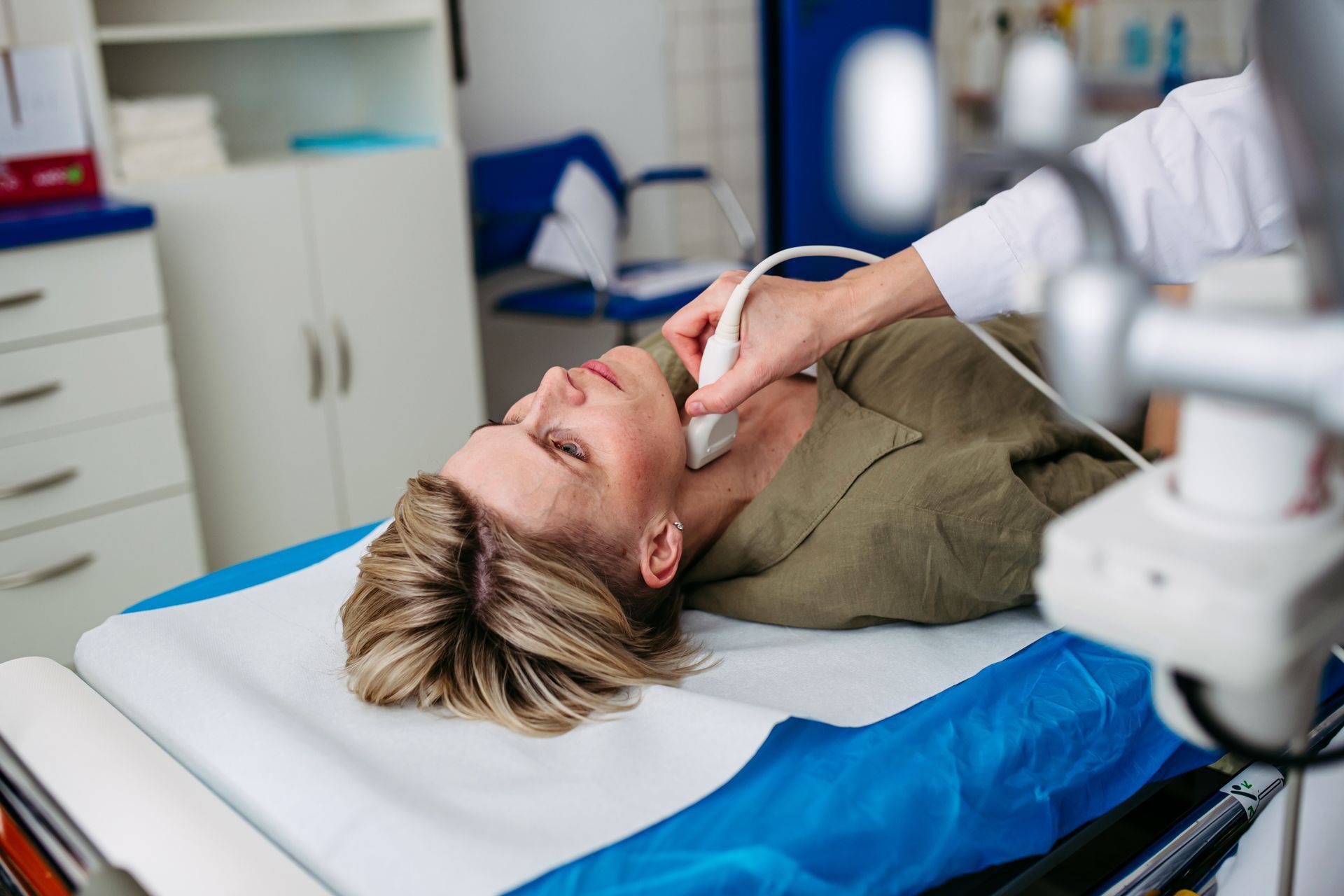
A carotid ultrasound is simple, quick, and gentle. During your scan, a trained technologist places a handheld probe along your neck. This device sends sound waves through the artery, and a computer converts those echoes into detailed images of your vessel walls and blood flow.
The scan does not use needles, radiation, or anesthesia. There is no downtime, and you can return to normal activities immediately.
Because the ultrasound shows movement inside the artery, it provides far more insight than a standard physical exam. It can reveal early plaque buildup or blood flow changes long before they become noticeable in daily life.

Signs That Carotid Screening May Be Right for You
Some people face a higher risk of carotid artery disease. Screening may be beneficial if you have:
A history of smoking
High blood pressure
Diabetes
High cholesterol
A family history of stroke or cardiovascular disease
Previous mini-strokes (TIAs)
Unexplained episodes of dizziness
Concerns about silent stroke risk
Even if you feel perfectly healthy, this scan offers valuable insight into the condition of your arteries and helps you stay ahead of hidden problems.
What a Carotid Ultrasound Can Detect
A carotid ultrasound provides clear images that help identify:
- Plaque deposits
- Narrowing of the carotid arteries
- Changes in blood flow
- Early signs of blockages
Plaque can be soft or hardened. Hardened plaque is more likely to break apart and cause clots. When these issues are discovered early, your healthcare provider can recommend preventive steps that reduce your risk of stroke.

How We Review and Explain Your Results
Every carotid ultrasound performed at our Tampa center is read by a board-certified radiologist. They closely examine the images for plaque formation, narrowing, and blood flow changes. Once your report is complete, our team explains the findings in clear, easy-to-understand language.
You will receive a digital copy of your results that you can share with your primary care provider or specialist. We believe that good information leads to better decisions—and we make sure your results support that goal.

Common Questions About Carotid Ultrasound Testing
What symptoms can a carotid ultrasound help rule out?
This scan can help evaluate causes of dizziness, visual changes, headaches, and unexplained weakness by checking blood flow to the brain.
Can a carotid ultrasound detect my risk for future stroke?
Yes. It identifies plaque buildup, narrowing, and blood flow issues that significantly increase stroke risk long before symptoms develop.
Do I need to stop eating or drinking before the test?
No special preparation is needed. You can eat, drink, and take medications as usual before your appointment.
What happens if my scan shows plaque or narrowing?
Your report will outline the severity. Your doctor may recommend lifestyle changes, medications, or additional testing, depending on the findings.
Is the scan covered by insurance?
Many preventive scans are not covered, but we offer flexible payment options to make early detection accessible.